Food Therapy
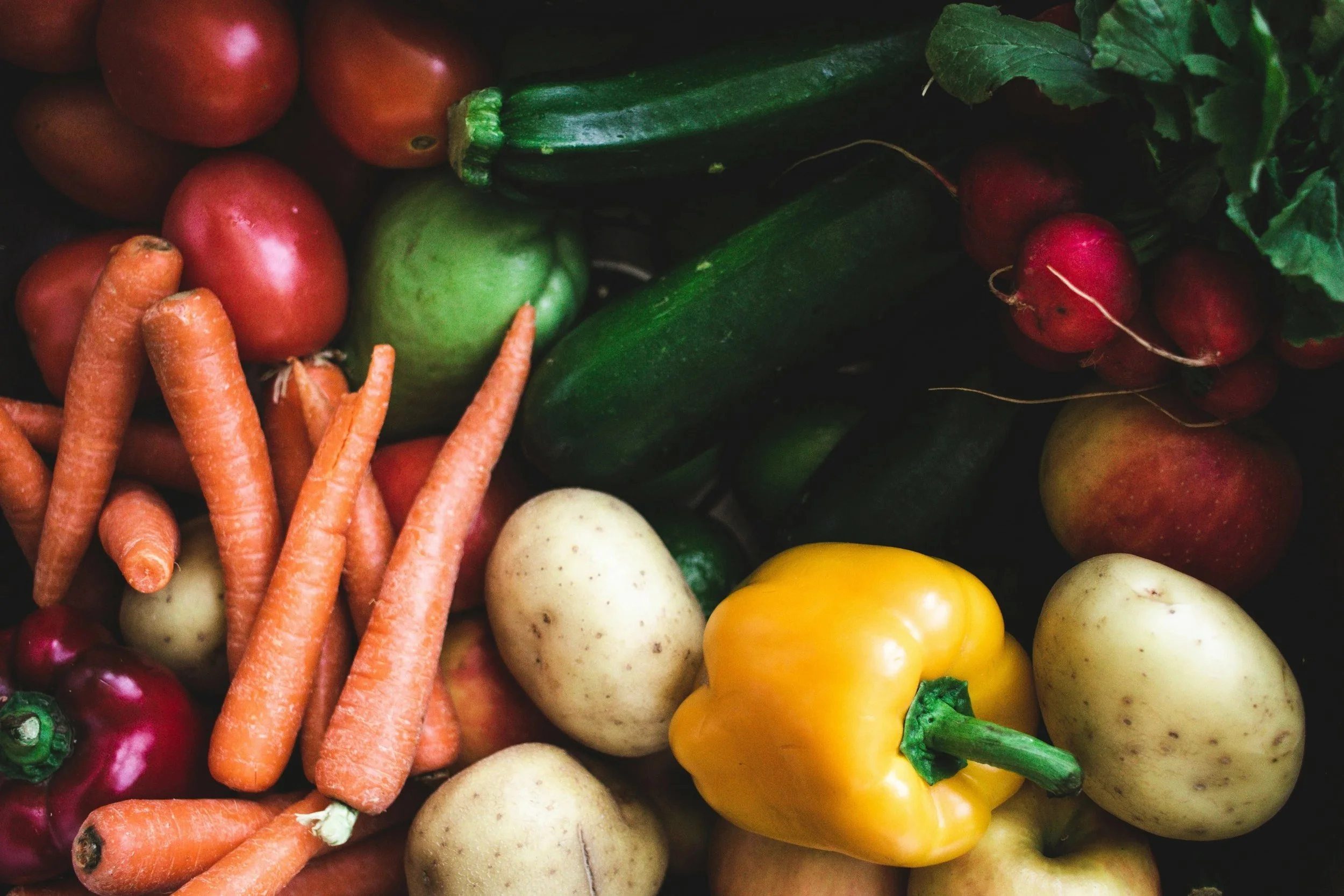
In Traditional Chinese Veterinary Medicine (TCVM), food is viewed as an important part of supporting health and maintaining balance. Food therapy considers the traditional energetic properties of foods alongside your pet's individual TCVM pattern to guide thoughtful dietary adjustments.
Food therapy doesn't necessarily mean completely changing your pet's diet. Sometimes a simple change, such as choosing a different protein or incorporating a small amount of an appropriate whole food, can complement your pet's individual treatment plan.
For pets who need a fully balanced homemade diet, I can help guide you toward appropriate veterinary nutrition resources and tools to develop a nutritionally complete recipe tailored to their needs.
Frequently Asked Questions
-
TCVM food therapy considers the traditional energetic properties of foods, such as warming, cooling, and neutral qualities, when making dietary recommendations. These properties are considered alongside your pet's individual constitution and TCVM pattern to help guide food choices that complement their overall care.
-
Not necessarily! Food therapy may involve simple adjustments to your pet's existing diet, such as considering a different protein source or incorporating an appropriate whole food. Recommendations will depend on your pet's individual needs, medical conditions, and current diet. Any changes will take existing dietary restrictions and nutritional requirements into account.
-
Yes, I can help guide you toward resources such as Balance It® for developing a nutritionally complete homemade diet. Homemade diets must be carefully formulated to meet your pet's nutritional needs, and simply substituting ingredients in an existing recipe can lead to nutritional imbalances. Pets with complex medical or nutritional needs may benefit from working with a board-certified veterinary nutritionist.