Acupuncture
Acupuncture is the practice of inserting hair-fine, sterile needles into specific points on the body to stimulate therapeutic responses.
From a Western medical perspective, acupuncture can influence the nervous system, increase local circulation, relax muscles, and stimulate the release of the body's own pain-relieving and anti-inflammatory chemicals. From a Traditional Chinese Veterinary Medicine (TCVM) perspective, acupuncture is also used to help restore balance and support the body's natural ability to heal.
Acupuncture can be used on its own for some conditions, but is most often used as part of an integrative treatment plan alongside conventional veterinary medicine.
Frequently Asked Questions
-
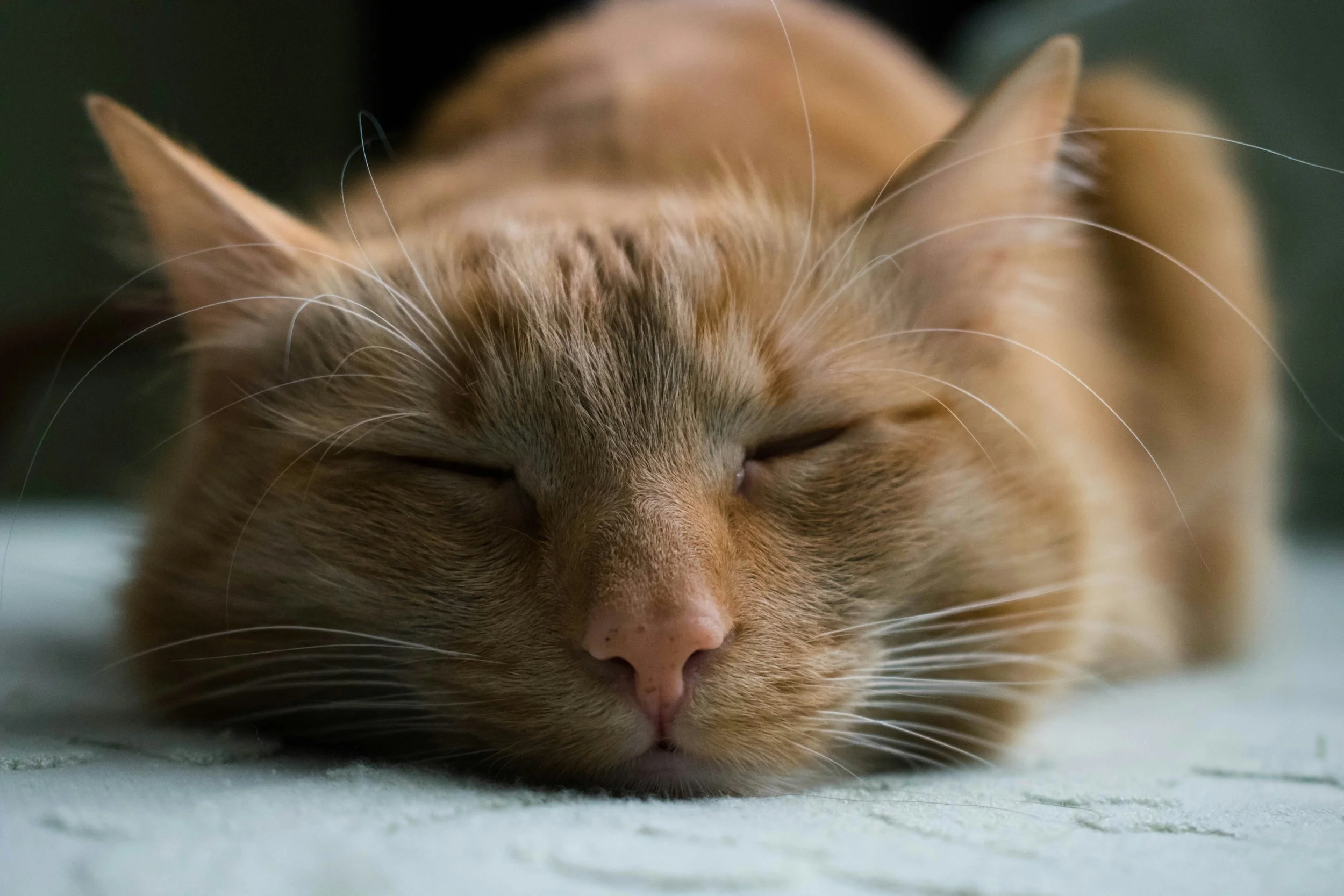
Acupuncture needles are extremely thin, often comparable in size to a human hair, and are much smaller than the needles used for vaccinations or injections. Most pets tolerate needle placement very well, and many become relaxed or even fall asleep during treatment.
Some pets may feel a brief sensation when a needle is inserted, and occasionally a particular point may be more sensitive than others. My goal is always to keep your pet comfortable and work at their pace.
-
Acupuncture is generally very safe, and serious complications are rare when it is performed by a trained veterinary professional. Some pets may be sleepy, relaxed, or slightly tired for 24–48 hours after treatment. Mild soreness, bruising, or a small amount of bleeding at a needle site can occasionally occur.
If you notice anything unusual or concerning after your pet's treatment, I'm always happy to discuss it with you.
-
Acupuncture can be used to support pets with many different conditions, including arthritis and other sources of chronic pain, musculoskeletal injuries, neurologic conditions, gastrointestinal problems, allergies and skin disease, anxiety and other behavioral concerns, and some age-related conditions.
It can also be used to support quality of life in pets with chronic or serious diseases, including cancer, kidney disease, and liver disease. Acupuncture is not a cure for every condition, but it can be a valuable part of a comprehensive treatment plan.
-
Every pet and condition is different. Acute problems may respond after only a few treatments, while chronic or long-standing conditions often benefit from a longer course of treatment.
We will start with a treatment plan based on your pet's individual needs and adjust the frequency based on how they respond. As your pet improves, treatments may be spaced farther apart or transitioned to an occasional maintenance schedule.
-
Initial intake appointments are scheduled for 90 minutes and follow up sessions are 45-60 minutes so we have plenty of time for a thorough exam and to discuss your pet. Treatment times may vary depending on your pet and their individual needs. The acupuncture session itself typically takes 20–30 minutes.
-
Some pets show noticeable changes after their first treatment, while others need several sessions before improvements become apparent. The response depends on your pet, the condition being treated, and how long the condition has been present.
We will monitor your pet's response throughout treatment and adjust the plan as needed.
-
Yes. Acupuncture is commonly used as part of an integrative treatment plan and can generally be combined with conventional medications, rehabilitation, nutritional support, and other veterinary therapies.
I will review your pet's medical history, medications, and current treatment plan so that acupuncture can complement, rather than interfere with, their existing care.
-
Every pet is different, and your pet's comfort comes first. Many animals become surprisingly relaxed once treatment begins, but I will never force a pet to receive acupuncture.
If your pet is uncomfortable with needles, we can use some treats to distract them. We can also discuss other ways to support them, including gentle acupressure techniques that you can use at home. Depending on your pet's individual needs, herbal medicine or other integrative therapies may also be appropriate.